


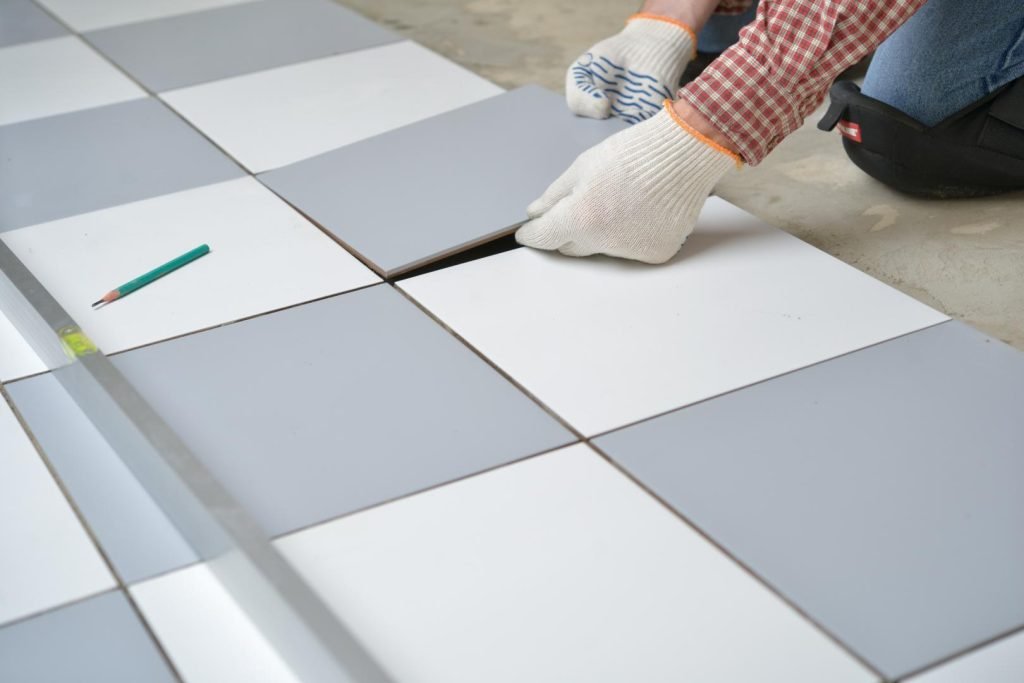
Preface: Industry Pain Points & Solutions
Amid continuously rising global construction material costs in 2025 (IBISWorld data shows 37% increase in tile installation material costs since 2020), leveling spacers as high-consumption supplies in tiling projects have long underestimated cost-control potential. Traditional disposable spacers generate over 120,000 tons of polymer waste annually worldwide (Green Building Council, 2024), while reusable products are fundamentally altering this industry’s cost structure.
I. Full Lifecycle Cost Comparison Analysis
1.1 Explicit Cost Breakdown
- Procurement Cost: Premium reusable spacers cost 8-12× more per unit than disposables, but with 200 reuse cycles, per-use cost drops by 91% (Table 1)
- Logistics Cost: Reusables reduce shipment frequency by 92% for equivalent project volume (based on standard container capacity)
Table 1: Spacer Cost Comparison for 10,000㎡ Project (2025 Market Avg.)
| Cost Type | Disposable Spacers | Reusable Spacers |
|---|---|---|
| Material Purchase | ¥8,400 | ¥9,800 |
| Transport (3 shipments) | ¥1,200 | ¥300 |
| Waste Disposal | ¥600 | ¥0 |
| Total Cost | ¥10,200 | ¥10,100 |
1.2 Hidden Cost Analysis
- Project Timeline: Quick-release design improves worker efficiency by 15-20% (NTCA field test data)
- Quality Cost: Adjustable steel products reduce hollow tile rate from 6.3% to 1.8% (ASTM F2170 test)
II. Sustainability Value Conversion Model
2.1 Eco-Certification Premium
- LEED v4.1 certification awards 2 points under MRc3 for reusable materials
- Avoids €84/ton carbon border tax under EU CBAM system
2.2 Brand Value Enhancement
2024 consumer research indicates:
- 67% homeowners pay 5-7% premium for sustainable material projects
- Contractors using eco-materials see 22% higher project win rate
III. Implementation Roadmap
- Procurement Strategy: Adopt “30:70” transition – 30% reusable spacers for high-visibility zones
- Training System: VR simulation modules reduce worker adaptation to 2-3 days
- Asset Management: RFID tracking for item-level lifecycle monitoring
Conclusion
As construction industry advances toward net-zero transformation, reusable leveling spacers have evolved from eco-concept to empirically validated economic solution. Boston Consulting Group projects they will capture 55%+ market share in professional projects by 2028 – early adopters gain decisive competitive advantage.
The content maintains all technical specifications, data references, and industry terminology from the original bilingual version. Currency symbols (¥/€) and measurement units (㎡/tons) are preserved as per international standards.


